Expressing milk: Finding the right breast pump

Article By
Sonni-Ann
Published On
18 Nov, 2025
Read Time
6 minutes
  • Breast pumps are helpful for a variety of reasons, including managing engorgement, boosting milk supply, supporting feeding for premature babies, or expressing milk when returning to work or school. 
  • The best breast pump depends on your routine, time, and budget. Consider how often and where you plan to express milk. 
  • Manual breast pumps are best for occasional expressing, first-time pumping, and quick relief from discomfort. They are often cheaper, quieter, and offer complete control over the pumping pace. 
  • Electric breast pumps are more efficient and are recommended for frequent expressing or building a milk store. They save time and hand fatigue. 
  • Wearable/In-bra electric pumps offer discreet, hands-free convenience for multitasking on the go. 
  • It is possible to use both electric and manual pumps to suit different situations, such as one for home and one for travel. 
  • Closed system pumps are more hygienic as they prevent breast milk from touching the pump mechanism or air tube, ensuring milk only goes into the bottle. Open system pumps allow milk to touch internal components. 

Considering adding expressing to your bub's feeding routine? We're here to help you discover the most convenient breast pump that's a perfect fit for you and your schedule. 

Why express breast milk? 

Many parents choose to express breast milk for their baby, and using a breast pump can be especially handy if: 

  • Your little one is premature or is having a few issues after birth. 
  • Your baby is struggling to get a good latch. 
  • Your breasts feel sore or uncomfortably full (engorged). 
  • You're heading back to work or hitting the books (starting study again). 
  • You're keen to boost your milk supply. 
  • You want to include breast milk when you're starting solids/weaning. 
  • You're going to be away from your baby for a little while and need to store milk for them. 

Choosing your breast pump 

The best pump for you comes down to your routine, how much time you've got, and your budget. Have a think about how often you'll be expressing and where you plan to do it. 

Manual breast pumps 

  • Best for occasional expressing, first-timers, or quick relief from discomfort. 
  • They are often cheaper, quieter, and give you total control over the pumping pace. 
  • If you're only planning to pump every now and then, a hand-powered manual pump might be your go-to. 

Electric breast pumps 

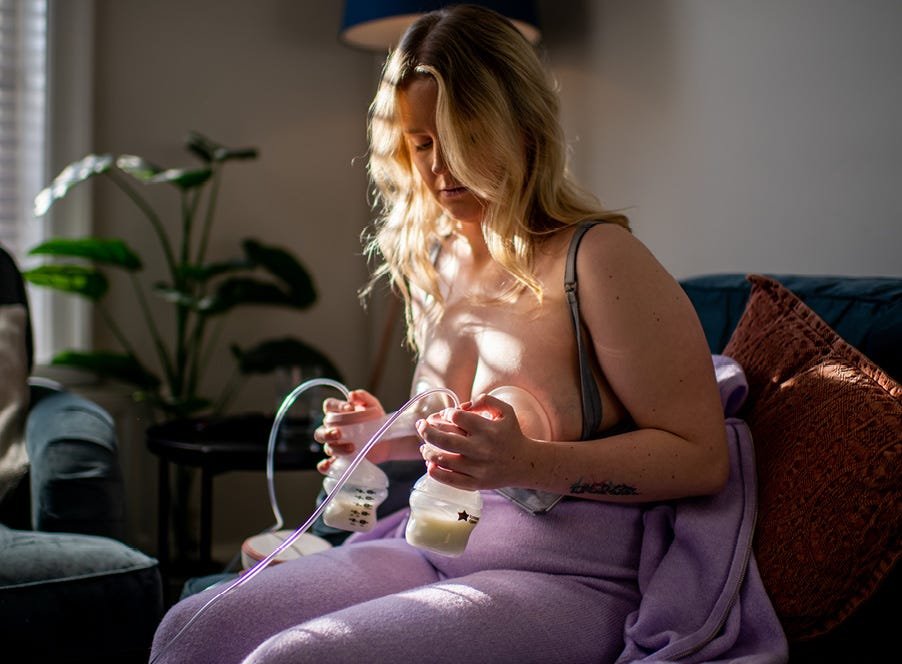
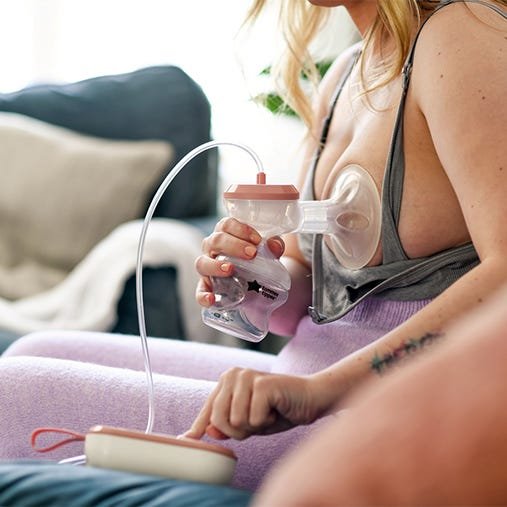
  • Recommended for frequent expressing or when you're building up a good milk stash, as they are more efficient and save your hands and wrists from getting tired. 
  • If you're pumping regularly at work or don't have much time, an electric pump is the way to go. 
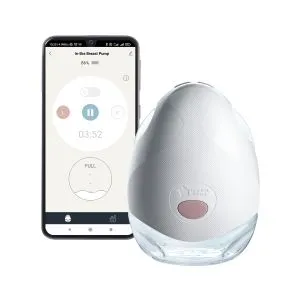
  • Wearable or In-bra electric pumps are fantastic, offering discreet, hands-free convenience for multitasking when you're out and about. 

Mixing it up 

Some parents find that using both an electric and a manual pump works for them. maybe one for home and one to pop in your bag for travel. 

Breast pump comparison  

Pump type 

Best for 

Wearable 

Usually thought of as the most convenient breast pump for on-the-go freedom and multitasking while expressing discreetly.  

Made for moderate use and more convenient that an electric pump with tubes and a motor, it's all-in-one design fits in your nursing bra, so you can pump on the move and get on with your day, while comfortably and efficiently expressing.  

Single or Double Electric 

Hospital-grade performance to help build your breast milk store and maintain a strong milk supply. 

Made for frequent expressing, these pumps are more efficient than a manual pump, and made for quick, effective pumping from both, or one breast at a time.  

Manual  

First-time pumping, occasional expressing.  

Manual pumps are simple, lightweight cord-free and completely controlled by you. Made for moments when you need quick, convenient relief from engorgement or mastitis, or as a portable, back-up solution for your electric pump. 

Explore the Range

Breast Pumps

Key pumping tips

  1. Before buying, check the reviews from other parents to see how easy the pump is to use.
  2. If you're mainly breastfeeding and only pumping a bit, you won't need to splurge as much as someone who will be using the pump daily.
  3. Look out for closed system pumps. These are more hygienic as they ensure your breast milk doesn't touch the pump mechanism or air tube, milk only goes into the bottle or collector vessel. Open system pumps allow milk to touch internal parts.

Which is better – an electric or manual breast pump?   

Which breast pump is best, and the pump you choose, is entirely personal! 

There are only two types - manual and electric - but there're lots of different brands and options available, from single or double, to wearable, so it's all about finding one that you're comfortable using, and making sure it fits your routine.  

Choosing an electric breast pump 

If you think you'll be using your breast pump a lot, then choosing an electric one is probably your best bet. They work fast and do all the work for you, so save your wrists and hands from aches and pains that can be caused by prolonged manual pumping. 

Electric breast pumps can be hand-held or wearable. In-bra, wearable styles are all-in-one, with no cords or tubes, and that means you can express breast milk while getting on with your day.  

If your baby is in a special care baby unit (SCBU) or neonatal intensive care unit (NICU) and you are exclusively expressing, it's best to spend a little more on a hospital-grade electric breast pump. This will help to maintain your breast milk supply. 

Choosing a manual breast pump 

Manual breast pumps are often cheaper than electric ones. So, if you're only going to be expressing occasionally, then a manual, hand-held pump may be the best choice for you.  

They can also be quieter, easier to use on the go, and mean that you're totally in control of the pace at which you pump. This can be appealing to some parents who may find electric pumps a little daunting when they're just getting started. 

Can you use an electric and manual pump?

Yes, can get both types of pump, manual and electric, and use one at home and one when you’re out and about.  

When it comes to choosing between electric and manual breast pumps, it really comes down to what suits your lifestyle and needs best. 

Electric pumps offer convenience and efficiency, making them ideal for regular use or when you need to pump quickly. They can handle consistent pumping sessions effectively. 

Manual pumps give you more control over the pace and tend to be quieter, which can be beneficial in certain situations. 

It all depends on how often you plan to express milk, your personal preferences, and your baby’s feeding routine. 

When you're shopping for your perfect breast pump, you might hear about open and closed systems, but what does this mean? 

  • A pump with a closed system means that none of your breast milk touches the breast pump or air while you're pumping. All Tommee Tippee pumps have a hygienic closed system that makes sure breast milk only goes into the bottle, not into the air tube or pump. 

  • With an open system pump, the breast milk can touch the tubes and the air inside of the breast pump. For this reason, open-system pumps can't be used safely by another person. 

Whichever type of pump you choose, all parts that touch your breast or breast milk need to be cleaned and sterilised after each use.