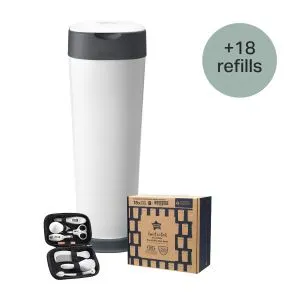
Ultimate XL Nappy Disposal Bundle with 18 Refills
Bundle & Save 25%
Subscription orders can be cancelled at anytime. Free delivery on all subsequent subscription orders. Find out more about subscriptions.
They’re easy and fuss free
Your products are automatically sent to you
You save up to 10% when you sign up for a subscription
You can cancel at any time

To choose a breast pump, consider your preferences, lifestyle and budget. Manual breast pumps are best for occasional expressing, first-time pumping, and quick relief from discomfort. Whereas electric breast pumps are more efficient than manual pumps and are recommended for frequent expressing or building a milk store.
Finding a breast pump can feel like a minefield. First, it’s the brand you opt for, and then it’s the type, the price point and whether it’s suitable for your breasts. But it doesn’t have to feel like such a task.
Are you thinking about expressing as part of your feeding routine? We're here to help you find a convenient breast pump that’s perfect for you, and your routine.
Breast pumps are helpful for a variety of reasons, including managing engorgement, boosting milk supply, supporting feeding for premature babies, and expressing milk when returning to work or school. But the best breast pump all depends on your routine, time, and budget.
Manual breast pumps are best for occasional expressing, first-time pumping, and quick relief from discomfort. They’re often cheaper, quieter, and offer complete control over the pumping pace.
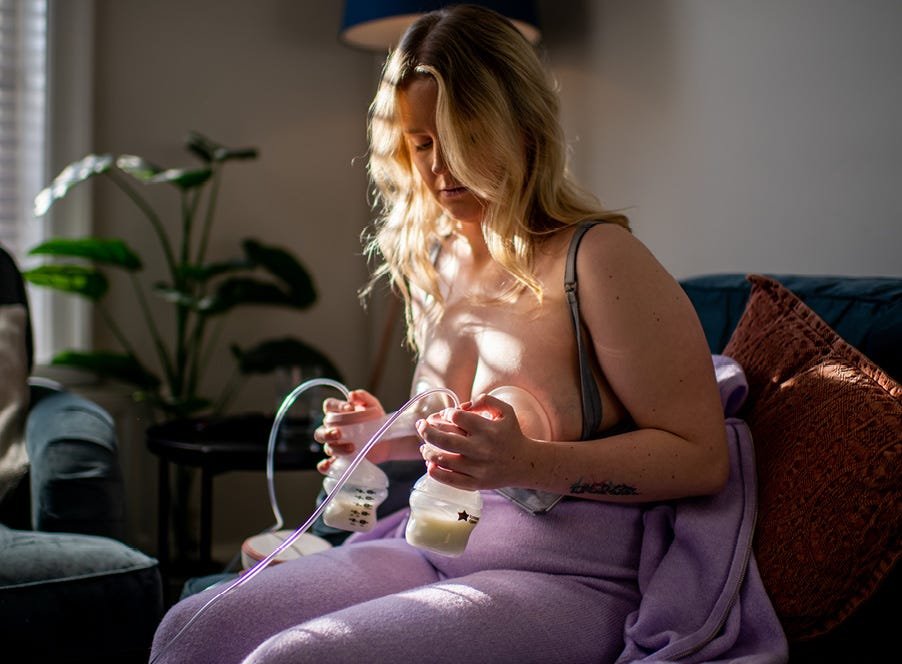
Electric breast pumps are more efficient than manual pumps and are recommended for frequent expressing or building a milk store. As a bonus, they save time and hand fatigue. Then there’s wearable/in-bra electric pumps which offer discreet, hands-free convenience for multitasking on the go.
Many parents choose to express breast milk for their baby needs, and using a breast pump can be particularly helpful if...
If you’re still stuck on what breast pump to choose, consider the following things:
Some breast pumps make expressing breast milk quicker and easier. Before you purchase yours, it's a good idea to check the reviews from other parents to see how easy the pump is to use.
If you just want to pump occasionally, a hand-powered manual breast pump might suit you. But if you'd like to pump at work or you don't have a lot of time to pump, you may want to consider an electric breast pump.
In-bra wearable pumps are another option that work well for parents who want to express breast milk discreetly and hands-free.
When planning which kind of pump you'd like to use, it can help to consider your budget, as well as how often you'll be using your pump.
If you're mainly breastfeeding and only pumping occasionally, you may not need to spend as much on a pump as you would if you're going to be using it a lot.
We’ve put together a more in-depth comparison between wearable, electric and manual pumps below.
|
Pump type |
Best for |
|
Wearable |
Usually thought of as the most convenient breast pump for on-the-go freedom and multitasking while expressing discreetly. Made for moderate use and more convenient that an electric pump with tubes and a motor, it's all-in-one design fits in your nursing bra, so you can pump on the move and get on with your day, while comfortably and efficiently expressing. |
|
Single or Double Electric |
Hospital-grade performance to help build your breast milk store and maintain a strong milk supply. Made for frequent expressing, these pumps are more efficient than a manual pump, and made for quick, effective pumping from both, or one breast at a time. |
|
Manual |
First-time pumping, occasional expressing. Manual pumps are simple, lightweight, cord-free and completely controlled by you. Made for moments when you need quick, convenient relief from engorgement or mastitis, or as a portable, back-up solution for your electric pump. |
Explore the Range
Which breast pump is best, and the pump you choose, is entirely personal. There are only two types - manual and electric - but there're lots of different brands and options available; from single or double to wearable, it's all about finding one that you're comfortable using, and making sure it fits your routine.
If your baby is in a special care baby unit (SCBU) or neonatal intensive care unit (NICU) and you’re exclusively expressing, it's best to spend a little more on a hospital-grade electric breast pump. This will help to maintain your breast milk supply.
Yes. It’s possible to use both electric and manual pumps to suit different situations, such as one for home and one for travel.
When you're shopping for the best breast pump, you might hear the terms open and closed systems, but what are they and why are they important?
A pump with a closed system means that none of your breast milk touches the breast pump or air while you're pumping. All Tommee Tippee pumps have a hygienic closed system that makes sure breast milk only goes into the bottle, not into the air tube or pump.
With an open system pump, the breast milk can touch the tubes and the air inside of the breast pump. For this reason, open-system pumps can't be used safely by another person.
Whichever type of pump you choose, all parts that touch your breast or breast milk need to be cleaned and sterilised after each use.
The comfort a breast pump delivers comes down to how well it fits, whether it has adjustable suction levels and if it’s smooth to operate. Many also have soft flanges for a more positive expressing experience.
To ensure your breast pumps lasts for as long as possible, clean the parts after each use, sterilise them before each use and replace any worn parts like valves or membranes. You’ll also need to keep the tubing dry at all times, wipe down the motor and store everything in a clean, dry place.
If you find pumping sensitive or painful, you should opt for a breast pump with soft, gentle or small flanges, as well as adjustable suction so you can find a level to suit your comfort needs.
Choosing the best breast pump for your needs is all about finding an option that suits your lifestyle, budget and preferences. If you’re still struggling to decide on a good option, talk to your healthcare provider that’ll be able to guide you in the right direction. If you found this article helpful, check out our guidance on how to pump comfortably.